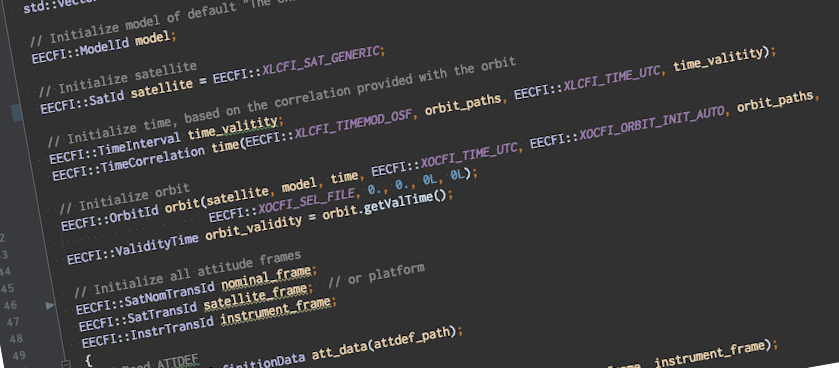
Earth Observation Mission CFI Software v4.26 has been released!
The latest version can be downloaded here with the detailed release notes available here.
User registration is required. Please find detailed instructions here.
The following is a summary of new features and problems solved in this release.
New Features & Improvements
- Support ANX longitude drift (limited to ORBSCT) in gen_osf_* tools
- Added API support for longitude drift
- Changes in explorer_visibility to support longitude drift
- Support for Mac ARM processors
Bug Fixes
- xd_xml_validate is not thread safe
- Leap second handling in Restituted Attitude File
- Segmentation fault when using file containing multiple covariance matrix elements
- xo_orbit_init_file: error codes not matching documentation
- Station visibility outputs negative number of seconds
- Station visibility segmentation fault if number of mask points > 360
- Error “Input mean eccentricity < 0” when using ORBPRE modelling circular orbit
- Error during EOCFI orbit initialisation and interpolation
- Error/warning table incomplete for xp_target_altitude
Version 3.0.1 of the ” Earth Observation File Format Standard” (PE-TN-ESA-GS-0001) has been published and can be downloaded from here.
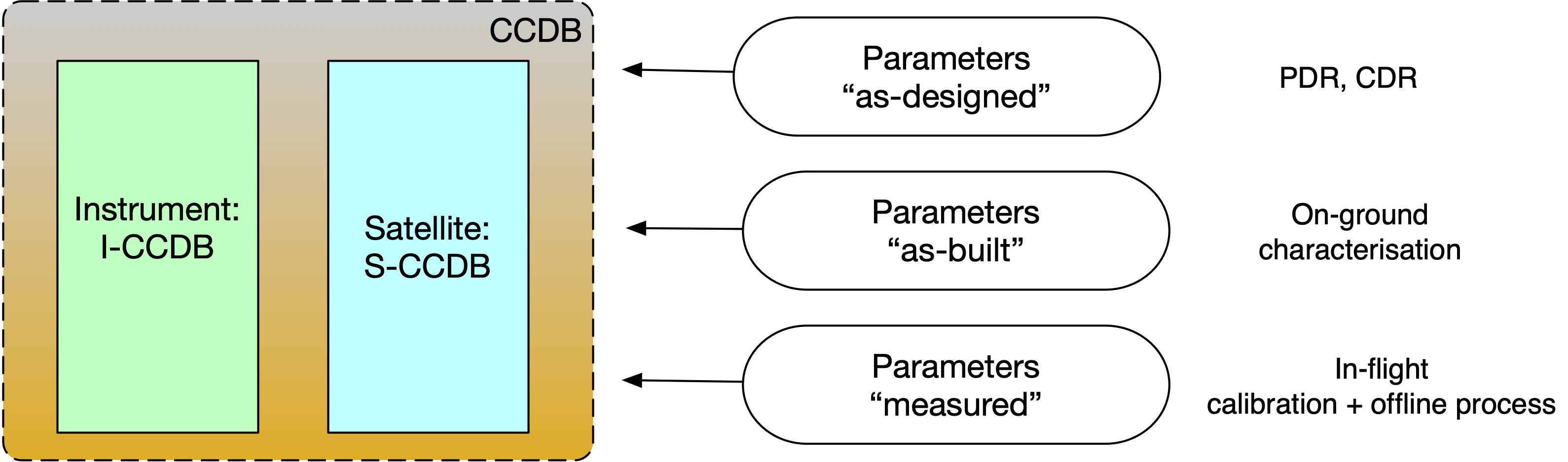
Version 1.2 of the “Guidelines for CCDB mapping to GS files “ has been published and can be downloaded from here.
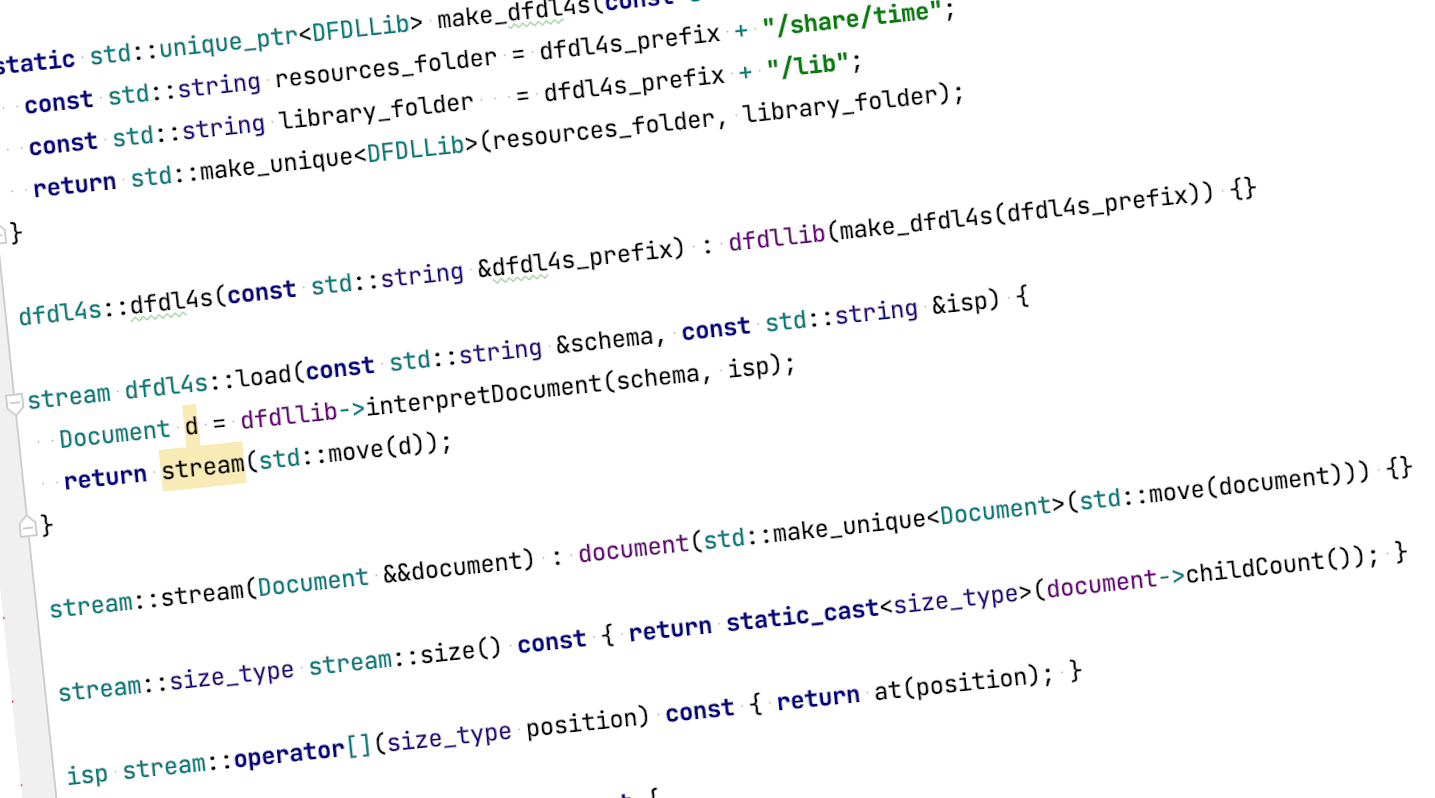
Version 2.1.0 of the DFDL4S Java and C++ Libraries has been released and can be downloaded here.
DFDL4S is a generic binary data binding library written in Java and based on the Data Format Description Language (DFDL). DFDL++ provides the same functionality exposing a native C++ API. See more details here.
The following is a summary of the changes in version 2.1.0.
New Functionality and Improvements
- Java and C++ API extended to handle time values following CCSDS Time Code Formats
- Improve exception handling in DFDL4S API
Bugfixes
- Fixed crash when a directory is passed as schema location
- Incorrect handling of occursCount when expression evaluates to 0
- Root element ignored in absolute path evaluation
- Fixed crash when document outlives library instance (C++)
- Fixed crash in CreateNewDocumentExample when the output file already exists
Release Notes for can be found here.
User registration is required. Please find detailed instructions here.
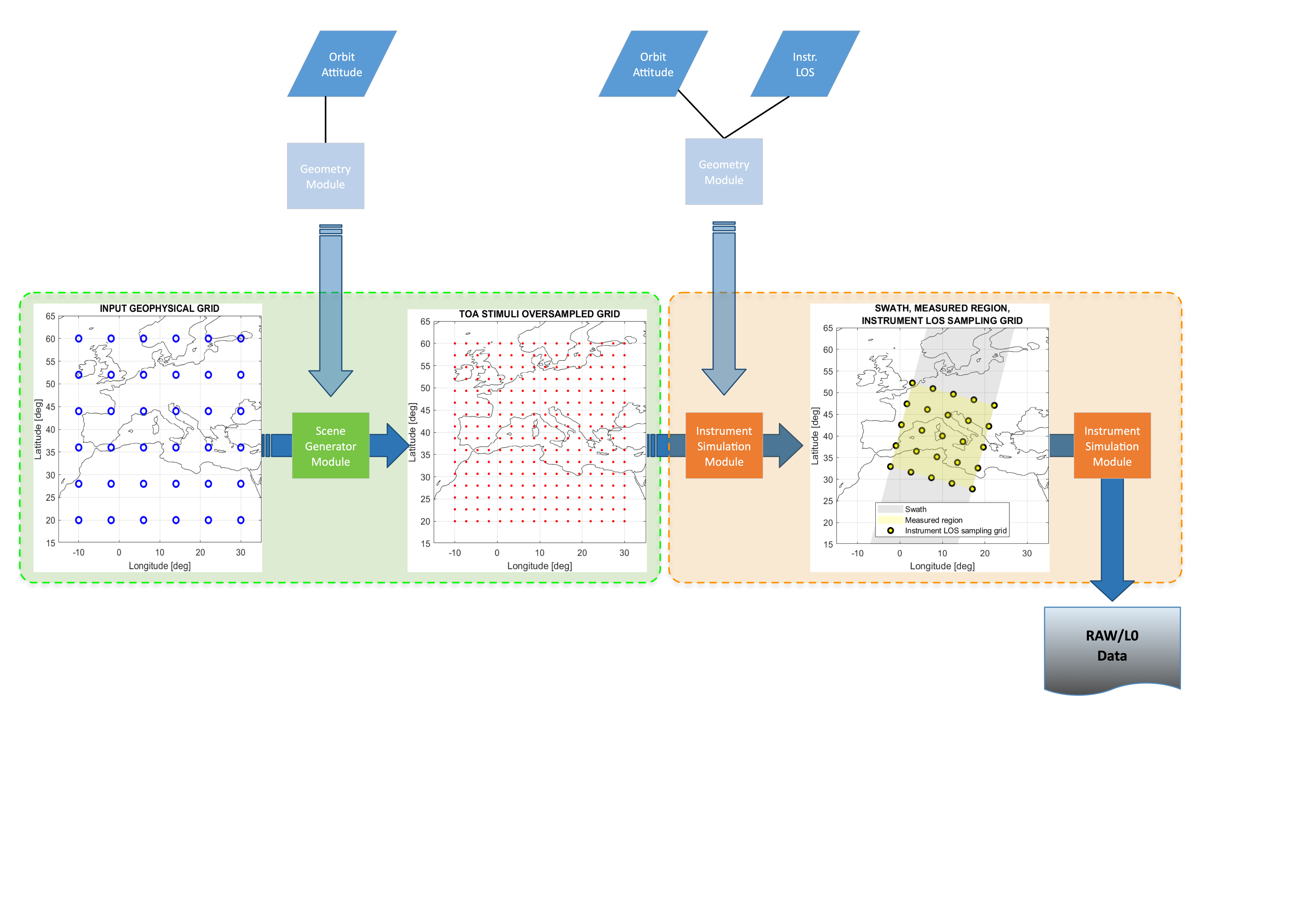
Version 1.3 of the “Generic E2E Performance Simulator and L1PP/L2PP Requirement Document “ has been published and can be downloaded from here.
It includes major updates and clarifications, restructuring of requirements for L1 and L2 Processor Prototypes, recommendations on the GSM-ISM interface and inputs for SoW.